E-commerce
E-commerce is more than a catalog and a cart. It is a fast, secure shopping system that ties product discovery, checkout, payments, inventory, and fulfillment into one reliable experience customers trust—and operators can run without constant fire drills.
This specialty is for retailers, DTC brands, and service businesses launching or upgrading an online store: out-of-the-box platforms when speed matters, or custom builds when you need subscriptions, configurators, multi-store setups, or deep ERP and fulfillment integrations.
Fortitude designs conversion-focused storefronts, wires the backend that keeps orders moving, and hardens performance, SEO, and security so your store earns revenue—not just traffic. You get a shopping experience built for real checkout rates and day-to-day operations.
What E-commerce Can Solve
Common storefront and operations problems we fix for growing online sellers:
- Slow or confusing checkout: Streamline cart-to-purchase flows, mobile UX, and payment options so fewer buyers abandon before they pay.
- Platform setup that under-delivers: Configure Shopify or WooCommerce with the themes, apps, and integrations that match how you actually sell—not a generic starter theme.
- Catalog and inventory friction: Structure products, variants, search, and filters so shoppers find the right SKU fast and stock stays accurate across channels.
- Broken ops behind the storefront: Connect payments, shipping, ERP, and fulfillment so orders, tracking, and inventory stay in sync after the sale.
- Weak product pages and conversion signals: Improve structure, trust signals, upsells, and cart recovery so traffic turns into completed orders—not bounce.
- Performance, security, and SEO gaps: Speed up pages, harden payments and SSL, and make category architecture and structured data work for discovery and ranking.

Our E-commerce Process
- 1) Map Products, Funnel & Operations
We start with what you sell, who buys, and how orders get fulfilled today. Goals for conversion, average order value, and operational load get clear so platform and feature choices serve revenue—not a feature checklist.
- 2) Choose Platform & Architecture
Shopify, WooCommerce, or a custom build—we recommend based on catalog complexity, subscriptions or configurators, multi-store needs, and the systems you already run. Integrations for payments, shipping, email, and inventory are scoped before a line of theme code ships.
- 3) Build Storefront & Checkout Experience
We implement product pages, navigation, search/filter, cart, and checkout with mobile-first UX and clear trust signals. Upsells, cross-sells, and recovery paths are designed where they fit your margins and brand—not bolted on as noise.
- 4) Integrate Ops, Payments & Data
Payments, tax, shipping rates, inventory, and fulfillment tools get wired so the store runs after launch day. Analytics and conversion events are tracked so you can see what converts and what stalls.
- 5) Launch, Harden & Iterate
We QA checkout paths, performance, security basics, and SEO foundations, then launch with a clear handoff. Post-launch we help prioritize catalog improvements, A/B tests, and features as volume and assortment grow.

Related Projects & Awards
Copa GSE
Web Development

SPIN Energy
Web Development
Appsli
Web Development

ClearCaid
Web Development
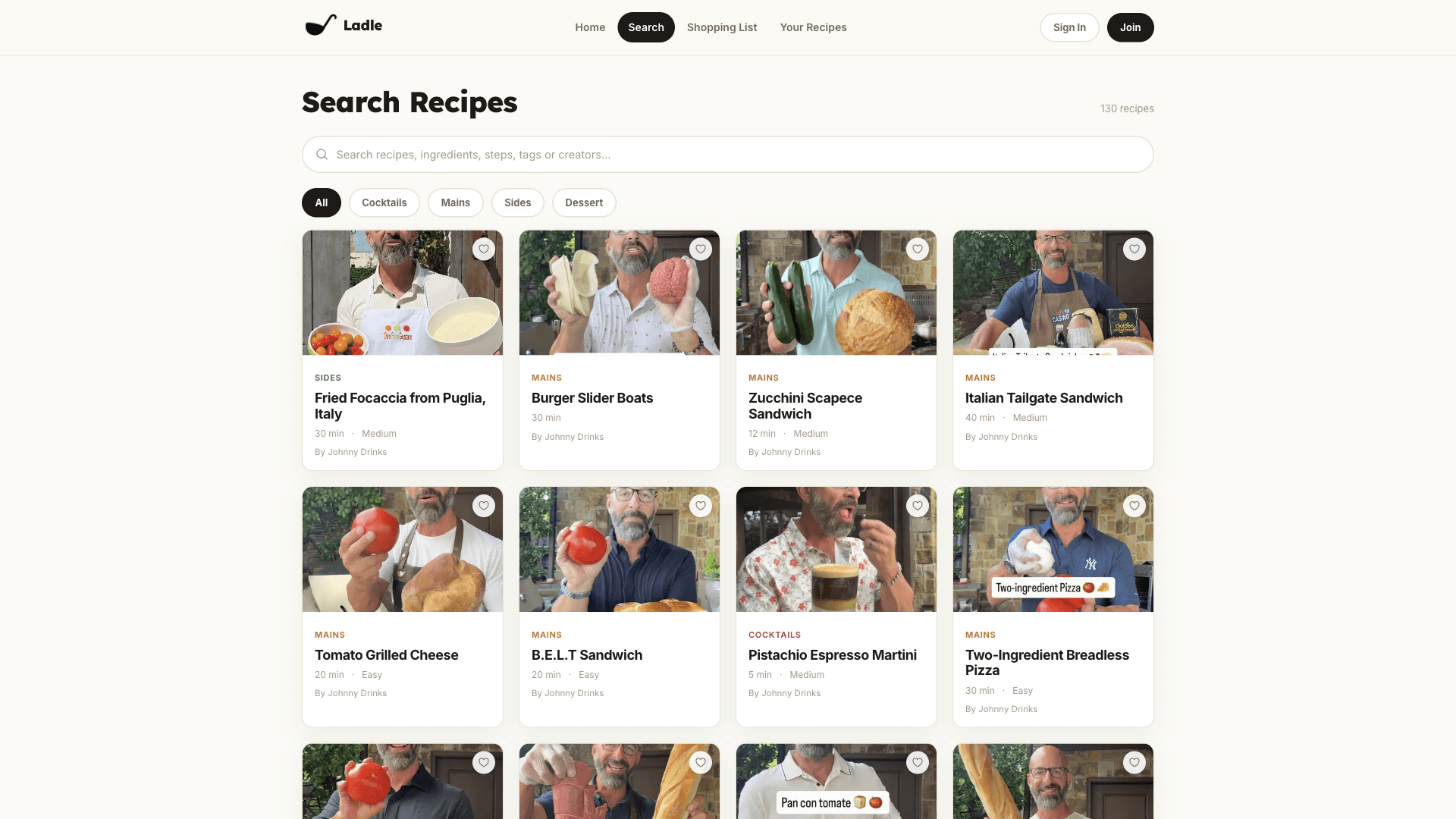
Ladle
Web Development

Robin Gershon-Halpern Counseling
Web Development
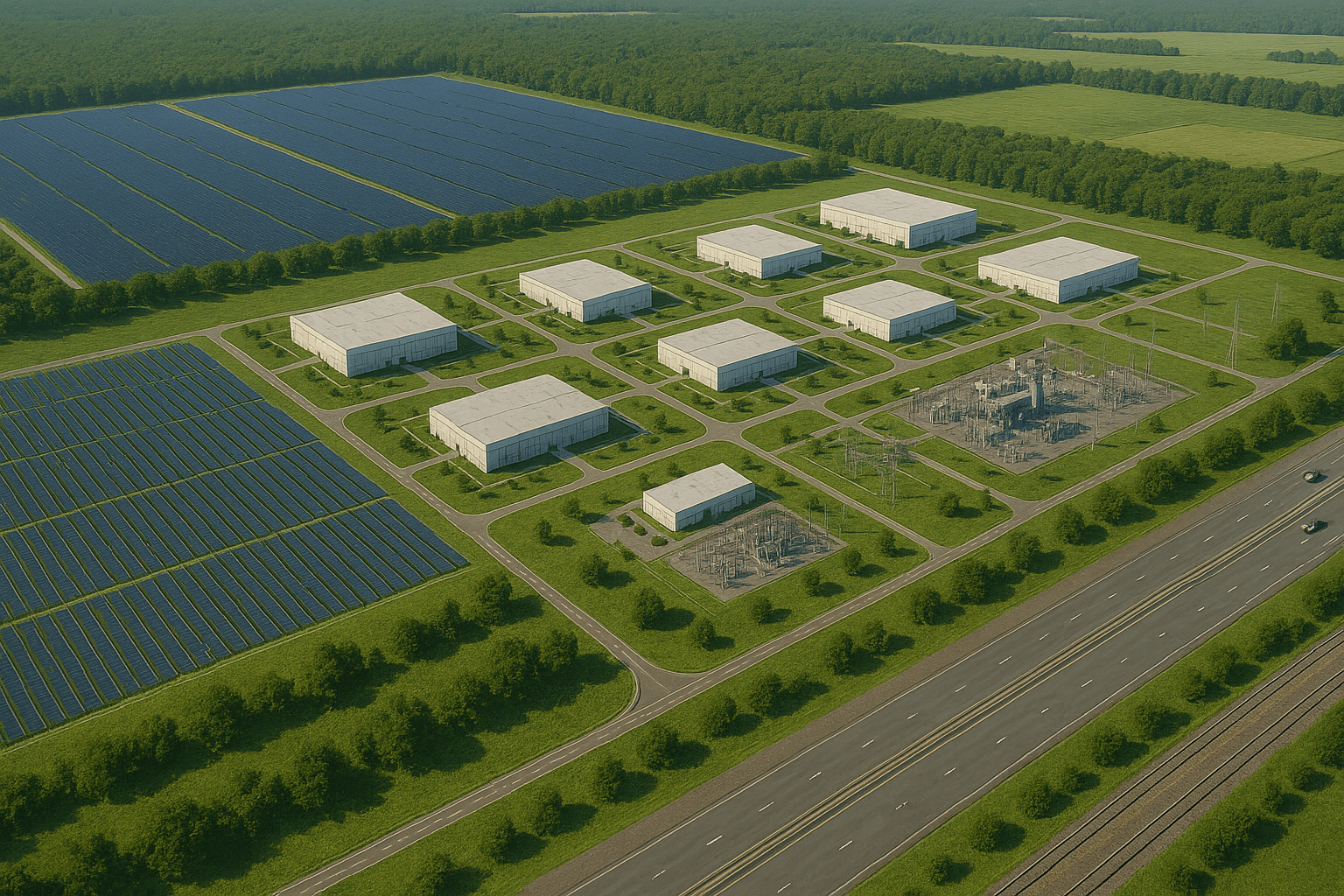
Beyond Giga
Web Development

MixCraft
App Development

Zach Hersh Design
Web Development

View All Options
Web Development

CurlyWorld
Web Development

Equinoble
App Development

Dental Learning
Web Development

Dental Product Shopper
Web Development


Frequently asked questions
What is e-commerce web development?
E-commerce web development is building and maintaining an online store—catalog, cart, checkout, payments, and the integrations that keep inventory and fulfillment accurate. Fortitude delivers e-commerce for New Jersey businesses that need a conversion-focused storefront tied to real operations, not just a pretty theme.
Who is Fortitude e-commerce for?
It fits retailers, DTC brands, and service businesses launching a first store or upgrading an underperforming one. If you need Shopify or WooCommerce done right—or a custom build for subscriptions, configurators, or multi-store workflows—this specialty is built for that.
Do you work with Shopify and WooCommerce, or only custom builds?
Both. We set up and customize out-of-the-box platforms when speed and maintainability win, and we build custom storefront processes when your workflows outgrow plugins. The recommendation follows your catalog, integrations, and growth plans—not a one-size stack.
How long does an e-commerce project usually take?
A focused Shopify or WooCommerce launch with core catalog, payments, and shipping often lands in weeks, depending on SKU count and integrations. Custom builds, marketplaces, or deep ERP connections are phased so you can sell earlier while advanced workflows ship next.
How is Fortitude different from installing a theme and apps yourself?
A theme gets you pages; it rarely gets you a reliable checkout, clean ops, or measurable conversion. We design the funnel, wire payments and fulfillment, harden performance and SEO, and leave you with a store your team can run—and improve—without constant developer firefighting.