Full-Stack Development
Full-stack development brings the interface, application logic, databases, APIs, and deployment into one coordinated build. Instead of splitting work across disconnected teams, Fortitude designs and engineers the full product stack so every layer supports the same workflows, performance goals, and security standards.
This specialty is built for New Jersey businesses and growing teams that need custom web apps, customer portals, internal tools, or platform features that must work reliably from the browser to the database. Typical projects include authenticated user experiences, complex forms and dashboards, third-party integrations, and systems that need to scale as traffic and data grow.
Fortitude delivers end-to-end: clear architecture, agile implementation, thorough testing, and production-ready launch support. The result is a maintainable product that moves faster, reduces handoff risk, and creates measurable business value—not just a collection of disconnected front-end and backend pieces.
What Full-Stack Development Can Solve
Common product and engineering challenges we help teams resolve:
- Fragmented front-end and backend: Unify UI, APIs, and data models so features ship end-to-end without mismatched behavior or endless coordination delays.
- Custom apps and portals: Build authenticated customer or internal portals with the workflows, roles, and integrations your business actually needs.
- API and integration gaps: Connect CRMs, payments, content systems, and internal tools through reliable REST or GraphQL APIs with clear contracts.
- Performance and scalability pressure: Improve load times, query efficiency, caching, and deployment practices so the product stays fast as usage grows.
- Security and access control: Implement consistent authentication, authorization, and data protections across the UI, APIs, and database layers.
- Launch and maintenance risk: Ship with CI/CD, environments, monitoring, and documentation so the product is supportable after go-live—not fragile.

Our Full-Stack Development Process
- 1) Discovery and product planning
We align on users, core workflows, success metrics, constraints, and must-have integrations. Scope is translated into a practical delivery plan so engineering decisions support real business outcomes from day one.
- 2) Architecture and stack selection
We design the application architecture—front-end, backend, data model, and hosting—based on performance, security, budget, and growth needs. Stack choices prioritize maintainability and fit for your product, not trends for their own sake.
- 3) Agile build and iteration
We implement features in short cycles with demos, incremental releases, and tight feedback loops. Front-end and backend work stays coordinated so each sprint produces usable end-to-end progress.
- 4) Testing and quality assurance
We validate critical flows with unit, integration, and end-to-end testing, plus checks for accessibility, performance, and security. Issues are caught before launch instead of after customers find them.
- 5) Launch, monitoring, and support
We deploy through reliable pipelines, configure environments, and monitor post-launch health with logs, metrics, and alerts. Handoff includes documentation and a clear path for ongoing improvements.

Related Projects & Awards
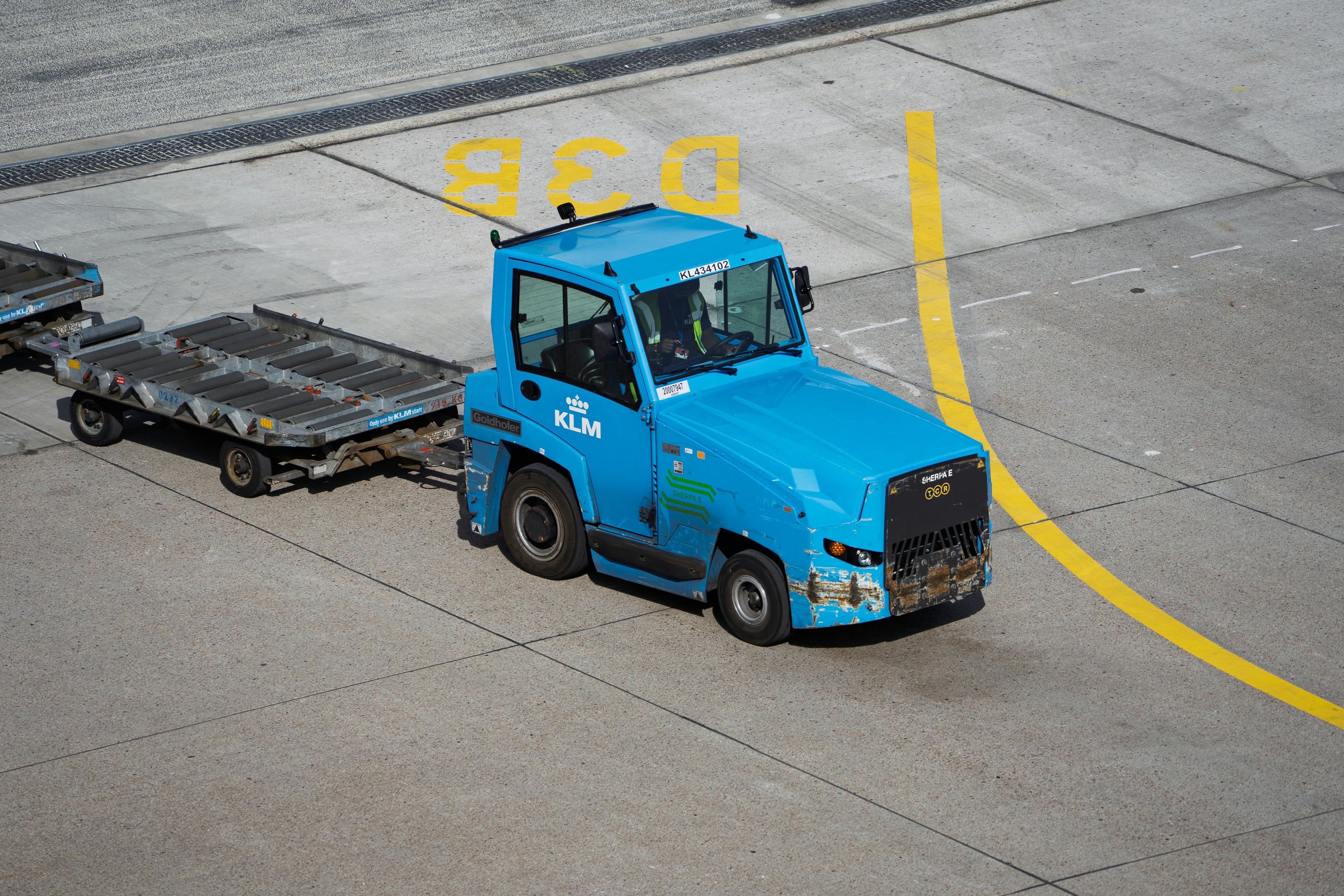
Copa GSE
Web Development
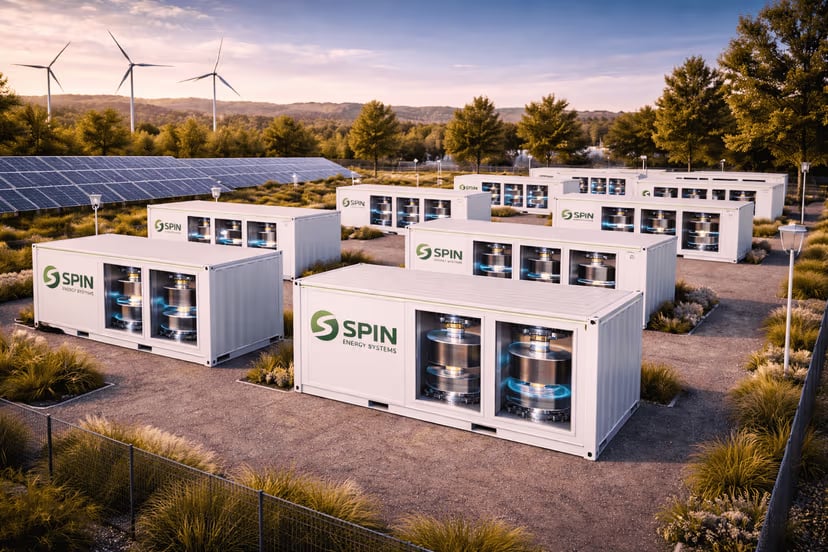
SPIN Energy
Web Development
Appsli
Web Development

ClearCaid
Web Development
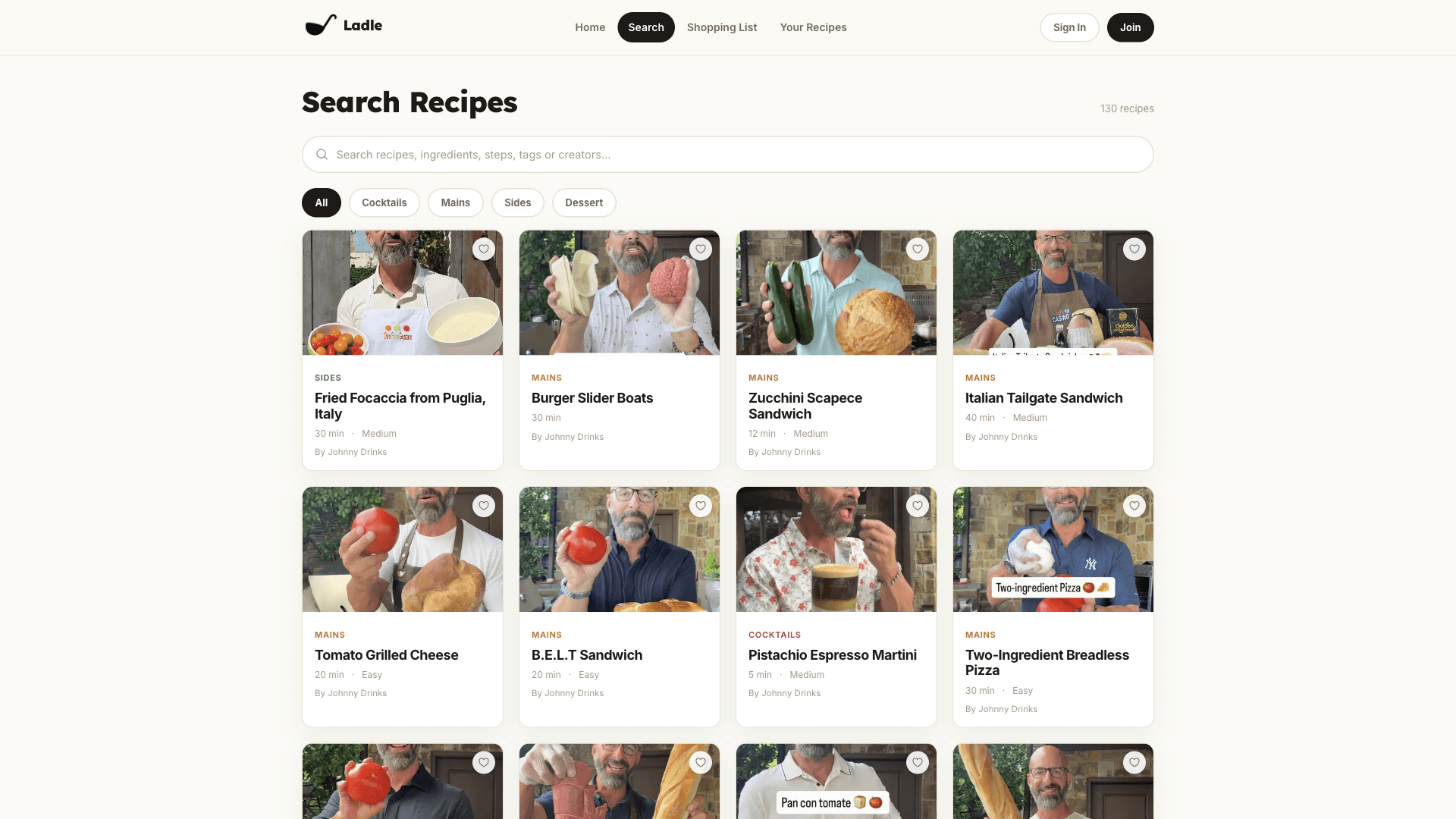
Ladle
Web Development

Robin Gershon-Halpern Counseling
Web Development
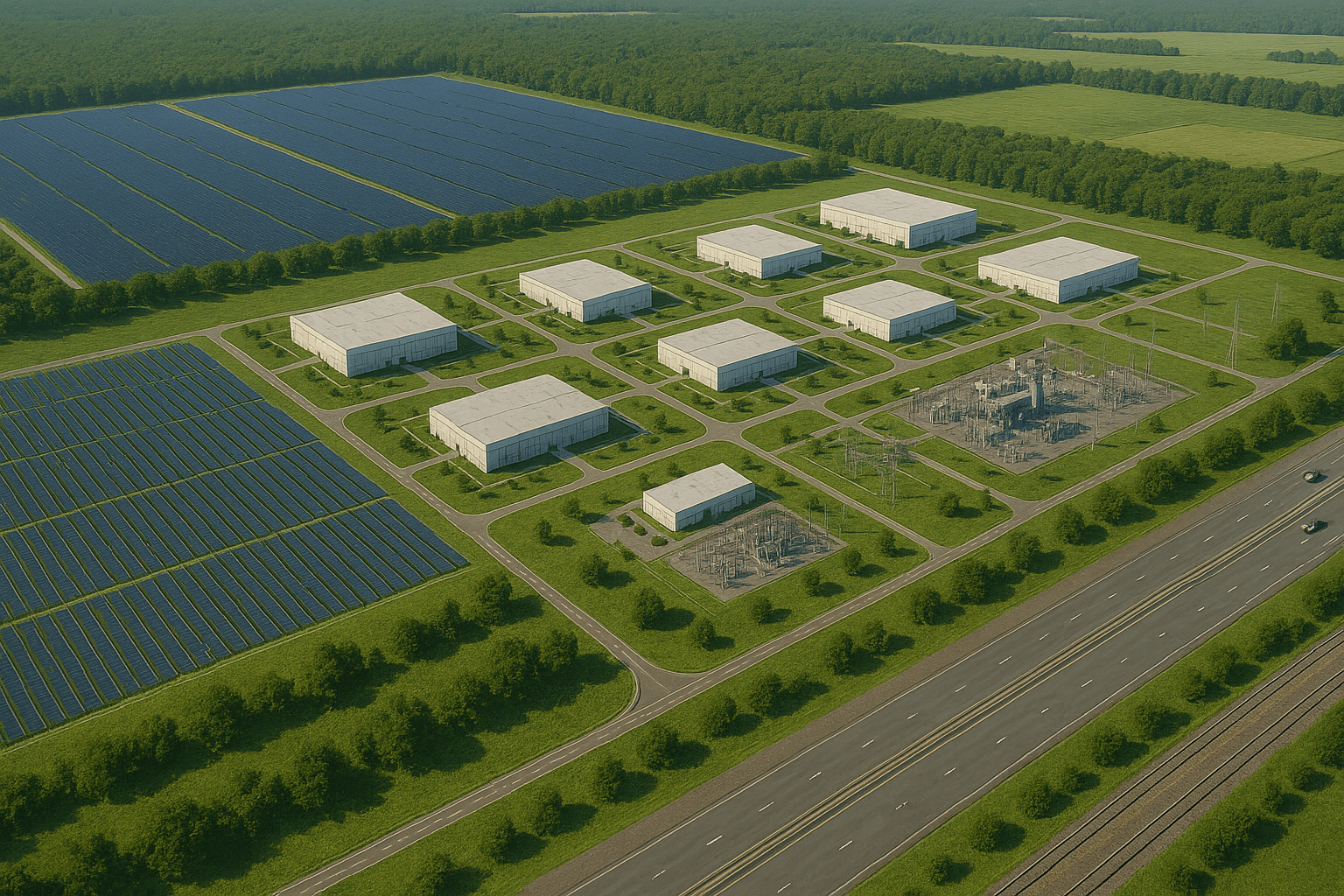
Beyond Giga
Web Development

MixCraft
App Development

Zach Hersh Design
Web Development

View All Options
Web Development

CurlyWorld
Web Development

Equinoble
App Development

Dental Learning
Web Development

Dental Product Shopper
Web Development
Frequently asked questions
What is full-stack development?
Full-stack development covers the complete application—user interface, backend logic, databases, APIs, and deployment—so the product works as one system. Fortitude builds custom full-stack solutions for businesses that need reliable web apps and portals, not disconnected front-end and backend workstreams.
Who is Fortitude full-stack development for?
It is a strong fit for New Jersey companies and growing teams that need custom web applications, customer portals, internal tools, or platform features with real authentication, data, and integrations. If your product needs both a polished experience and a secure, scalable foundation, full-stack delivery is usually the right approach.
What technologies do you use for full-stack projects?
We select the stack based on your product goals, performance needs, and long-term maintenance—often modern React-based front ends, well-structured backend APIs, relational or document databases, and cloud-ready deployment. The priority is a maintainable architecture that fits your roadmap, not a one-size-fits-all toolkit.
How long does a full-stack development project take?
Timelines depend on scope, integrations, and complexity. After discovery, Fortitude provides a phased plan with clear milestones, sprint demos, and incremental releases so stakeholders see progress early and can steer priorities before launch.
How is Fortitude different from hiring separate front-end and backend vendors?
Separate vendors often create handoff gaps, mismatched APIs, and slower iteration. Fortitude owns the full stack—UI through deployment—so architecture, security, and delivery stay aligned. That usually means faster feature cycles, fewer surprises in production, and a product that is easier to maintain.