Customer Behavior Analysis
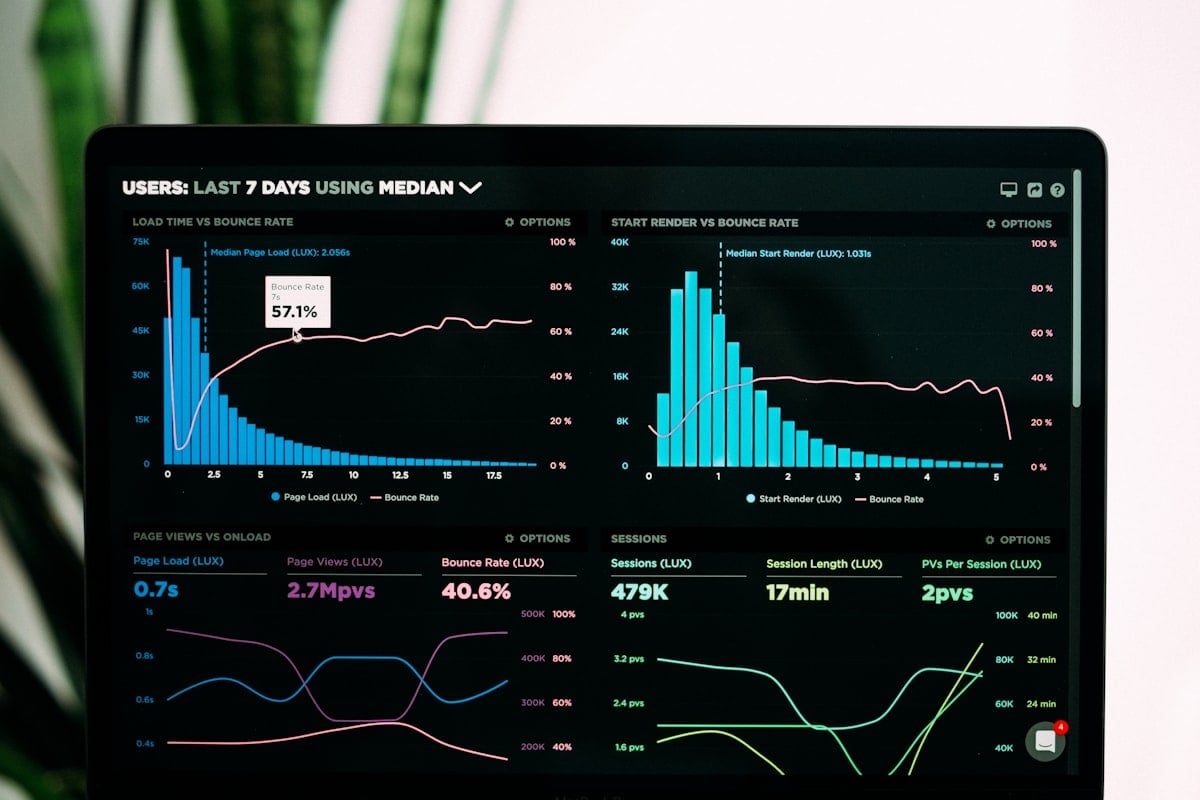
Customer behavior analysis turns clicks, sessions, and journey data into a clear picture of what customers do—and why they convert, stall, or leave. By combining analytics, funnel events, and CRM signals, Fortitude surfaces the patterns that drive real decisions, not vanity metrics.
It is built for New Jersey and mid-Atlantic service businesses, SaaS teams, and e-commerce brands that need sharper CRO, personalization, and retention. Typical work includes mapping drop-offs, segmenting intent, and connecting on-site behavior to revenue outcomes your team can act on.
We instrument clean tracking, analyze journeys by channel and cohort, and deliver prioritized recommendations you can ship. The result is a measurable growth loop: fewer assumptions, faster tests, and experiences tuned to how your customers actually behave.
What Customer Behavior Analysis Can Solve
Common use cases for our clients include:
- Conversion funnel friction: Pinpoint where visitors hesitate or drop off in signups, forms, and checkouts—then prioritize fixes that lift conversion.
- Segment-based personalization: Group users by intent, channel, or lifecycle stage so messaging and offers match how each segment actually behaves.
- Retention and churn signals: Spot early warning patterns in usage and engagement so you can trigger re-engagement before customers leave.
- Messaging and CTA alignment: Test headlines, offers, and calls to action against real motivation data instead of guessing what will move the needle.
- Product and feature prioritization: Use usage patterns and journey gaps to decide which features to build, improve, or retire next.
- Journey and attribution clarity: Connect first touch through conversion and retention so marketing and product teams share one evidence-based view of the path to revenue.
Our Customer Behavior Analysis Process
- 1) Define Goals and KPIs
We align analysis to outcomes that matter—leads, sales, signups, retention, average order value, or engagement. Success metrics and decision cadence are locked early so every insight maps to a business question, not a vanity dashboard.
- 2) Instrumentation and Data Quality
Next we validate tracking across analytics, funnels, attribution, and conversion goals. Events, UTMs, and CRM handoffs are cleaned up so the data you trust is complete enough to support confident decisions.
- 3) Segmentation and Journey Mapping
We group users by channel, device, cohort, and customer type, then map the path from entry through conversion and retention. Friction points and high-intent moments become visible by segment instead of buried in averages.
- 4) Insights and Recommendations
Findings ship as prioritized actions—UX fixes, content changes, funnel improvements, and remarketing triggers—ranked by expected impact and effort so your team knows what to do first.
- 5) Testing and Iteration
We validate changes with A/B tests or phased rollouts, measure lift against the KPIs you set, and refine based on new behavior. The system keeps improving instead of freezing after a one-time report.

Related Projects & Awards



Frequently asked questions
What is customer behavior analysis?
Customer behavior analysis studies how people move through your website, app, and marketing journeys—where they click, hesitate, convert, or leave—so teams can improve experiences with evidence. Fortitude turns analytics, funnel events, and CRM signals into clear priorities for New Jersey and mid-Atlantic businesses.
Who is customer behavior analysis for?
It is a strong fit for service businesses, SaaS products, and e-commerce brands that want better conversion, personalization, or retention without guessing. Mid-market teams get the most value when they already have some traffic and tools in place and need a clear path from data to action.
What data do we need to get started?
Most projects start with website or app analytics, conversion events, and whatever CRM or sales data you already collect. Heatmaps, session recordings, and customer feedback strengthen the picture when available—but you do not need a perfect data warehouse on day one.
How does Fortitude’s customer behavior analysis process work?
We define goals and KPIs, harden instrumentation, map journeys by segment, then deliver prioritized recommendations your team can ship. Testing and iteration close the loop so improvements are measured against the outcomes you care about.
How is this different from a standard analytics report?
A report summarizes what happened; Fortitude focuses on decisions—ranked fixes, personalization opportunities, and retention triggers tied to revenue or growth metrics. Insights are built to land in your workflows, not sit unused in a slide deck.