Maintenance & Support
Launch day is only the start. App maintenance and support keeps your product reliable as users grow, dependencies age, and business needs change. Fortitude provides ongoing updates, bug fixes, security patches, performance tuning, and iterative enhancements so your application stays an asset—not a liability.
We partner with New Jersey businesses and growing teams that need dependable coverage after launch: SLA-backed issue response, proactive monitoring, dependency hygiene, and a clear backlog of improvements. Whether you built with us or inherited a codebase, we stabilize what you have and keep shipping small, high-value changes.
Our approach is practical and transparent—prioritized work, predictable cadence, and reporting you can act on. You get fewer fire drills, faster recovery when something breaks, and a product that continues to convert, retain, and scale with your business.
What App Maintenance & Support Can Solve
Common reasons teams bring Fortitude in for ongoing coverage include:
- Bug fixes & triage: Broken flows, edge-case bugs, and device-specific issues get prioritized, fixed, and verified so users are not stuck waiting.
- Security & dependency updates: Framework patches, vulnerability remediation, and dependency hygiene reduce risk without freezing your roadmap.
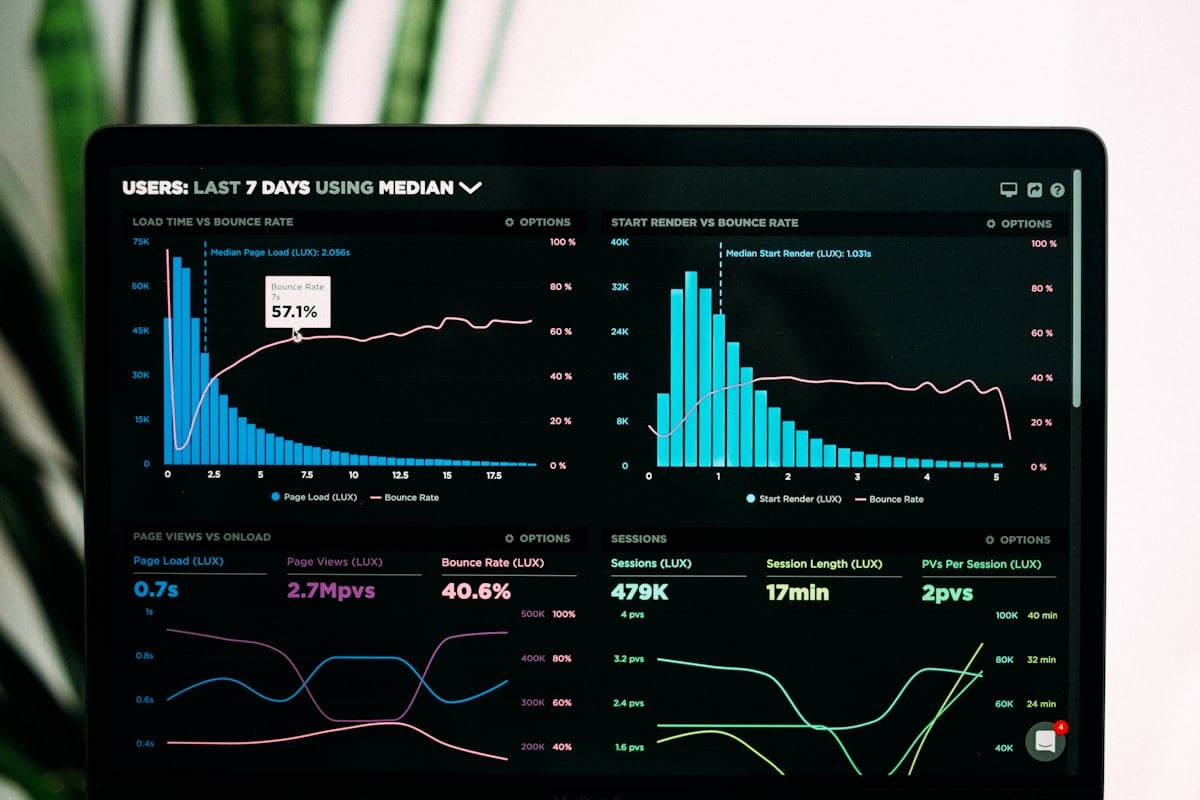
- Performance & reliability: Slow endpoints, heavy queries, and uptime gaps get monitored and tuned so the app stays fast under real traffic.
- Feature enhancements: Small, high-impact improvements based on feedback—UX polish, workflow tweaks, and conversion-focused refinements.
- Ops & incident support: Alerting, CI/CD improvements, rollback readiness, and clear incident response so outages do not become all-hands chaos.
Our Maintenance & Support Process
- 1) Assess & Align
We review the codebase, hosting, monitoring, and known issues. Together we define SLAs, support hours, success metrics, and the first backlog of fixes and improvements.
- 2) Stabilize & Instrument
We close critical bugs, patch security gaps, and put monitoring and alerts in place. The goal is a calm baseline: fewer surprises, clearer signals when something drifts.
- 3) Maintain on a Cadence
We run a predictable cycle of triage, updates, and enhancements—dependency bumps, performance work, and small feature asks—with transparent priorities each sprint or month.
- 4) Report & Evolve
You get regular reporting on incidents, completed work, and upcoming risks. We adjust scope as usage, product goals, and the tech stack change so support stays aligned with the business.

Related Projects & Awards




Frequently asked questions
What does app maintenance and support include?
Fortitude covers bug fixes, security and dependency updates, performance tuning, monitoring, and iterative enhancements. Plans typically include a defined response expectation, a prioritized backlog, and regular reporting so your New Jersey team knows what shipped and what is next.
Who is ongoing app support for?
It is for businesses that need their product stable after launch without hiring a full in-house team for every issue. Teams that inherited a codebase, shipped with an agency, or outgrew ad-hoc freelance fixes benefit most from structured coverage.
How quickly do you respond to production issues?
Response expectations are set in the support agreement before work starts. Critical production incidents are triaged first; lower-priority bugs and enhancements move through the agreed cadence so urgent work never quietly blocks the backlog.
Can you support an app Fortitude did not originally build?
Yes. We start with an assessment of architecture, hosting, and risk, then stabilize what matters most. Once the baseline is solid, we continue with updates, fixes, and enhancements under the same maintenance process.
How is Fortitude different from hiring a freelancer for fixes?
You get a team process—SLA-minded triage, monitoring, security hygiene, and planned improvements—not one-off tickets. That continuity reduces context loss, shortens incident recovery, and keeps the product improving between emergencies.