UI UX Overhaul
A UI/UX overhaul is a full redesign of how people move through and experience your digital product—not a coat of paint. We rebuild navigation, layouts, and interaction patterns so key tasks feel obvious on every device, and so bounce rates and support tickets stop telling the same story.
It is built for New Jersey businesses and growing brands whose site or app looks dated, converts poorly, or leaves users hunting for answers. Typical work includes product dashboards, marketing sites, onboarding flows, and checkout or request forms that need clearer hierarchy and fewer dead ends.
Fortitude pairs UX research with Graphic Design craft: we audit analytics and feedback, map journeys, wireframe structure, then ship a cohesive interface system your team can grow. The result is a product that feels current, earns trust faster, and turns more visits into real business outcomes.
What a UI UX Overhaul Can Solve
Common problems we fix for websites, apps, and digital products:
- Confusing navigation: Restructure information architecture so users find key pages and actions without guessing or bouncing.
- Low conversion paths: Clarify CTAs, forms, and checkout or lead flows so more visitors complete the steps that matter.
- Weak mobile experience: Rebuild responsive layouts and touch-friendly patterns so phones and tablets feel as polished as desktop.
- Dated visual design: Modernize typography, spacing, and components so the interface matches your brand and competitors’ bar.
- Accessibility gaps: Improve contrast, focus states, and usable patterns so more people can complete tasks without friction.
- Unused features: Surface buried capabilities with clearer hierarchy and cues so the product you built actually gets used.
Our UI UX Overhaul Process
- 1) Audit & Discovery
We review analytics, heatmaps, support themes, and competitor patterns to pin down where users stall. Goals, audiences, and success metrics get locked before we redesign a single screen.
- 2) Journey Mapping & Wireframes
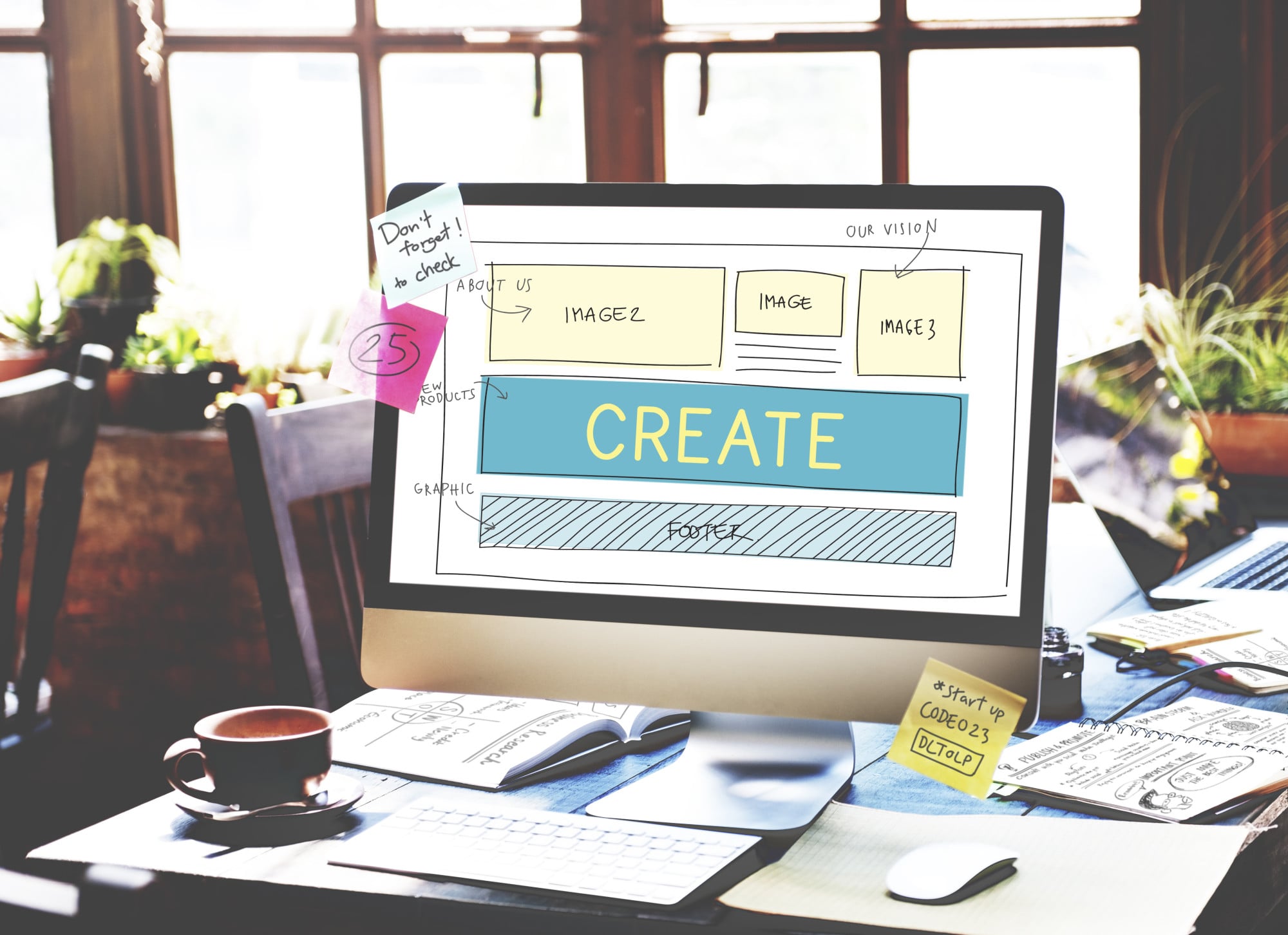
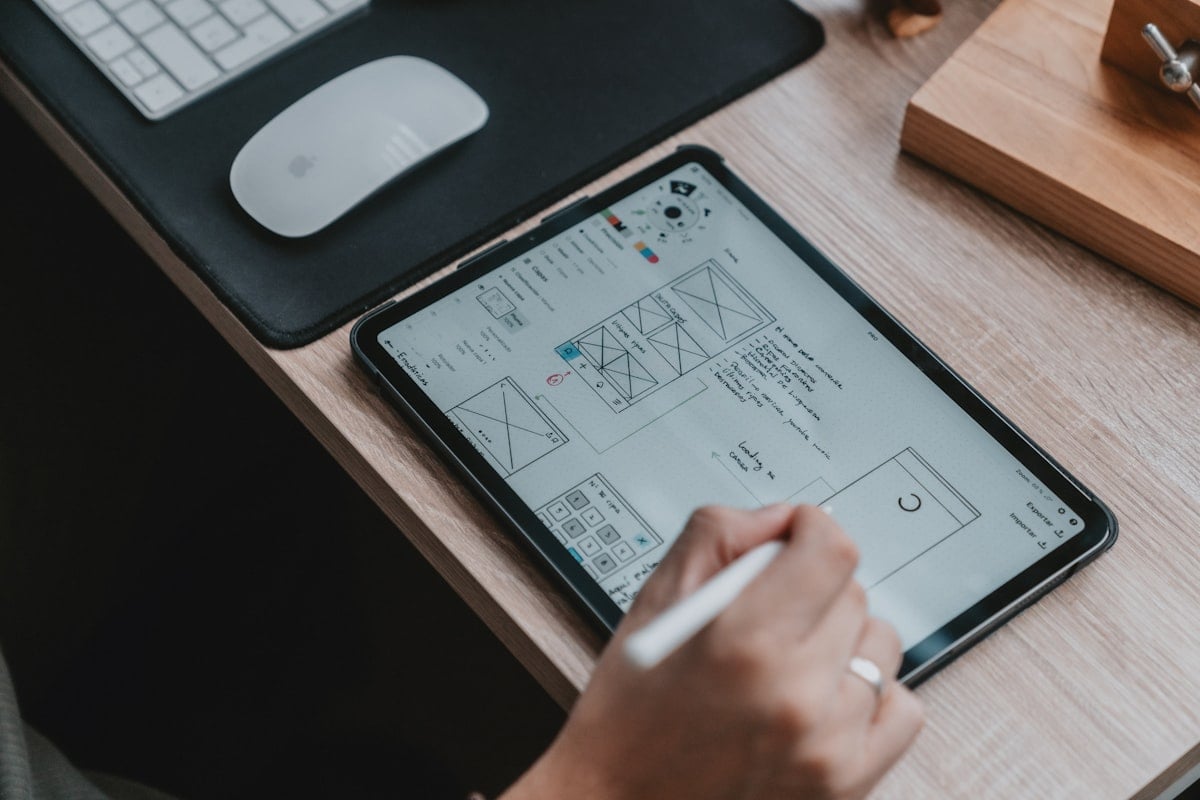
We map critical paths and rebuild structure with low-fidelity wireframes—simplified navigation, clearer page layouts, and stronger CTA placement—so the experience is sound before visuals land.
- 3) High-Fidelity UI System
We design a cohesive interface: components, spacing, typography, and brand-aligned visuals with accessibility and responsive behavior built in from the start.
- 4) Prototype & Validate
Interactive prototypes let stakeholders walk key flows early. We pressure-test assumptions, gather feedback, and tighten copy and interaction details before build.
- 5) Handoff & Iteration
We deliver specs, assets, and implementation guidance your team (or ours) can ship. After launch we watch real usage and refine the highest-impact friction points.


Frequently asked questions
What is a UI UX overhaul?
A UI UX overhaul redesigns both the look (UI) and the experience (UX) of a website or app—navigation, layouts, interactions, and visual system—so users can complete tasks with less friction. Fortitude delivers these redesigns as part of our Graphic Design service for businesses that need clearer, more convertible digital products.
Who is a UI UX overhaul for?
It fits teams with high bounce rates, weak mobile usability, dated design, or features users never find. New Jersey companies and growing brands often come to Fortitude when competitors feel fresher or when analytics show people leaving mid-journey.
How long does a Fortitude UI UX overhaul take?
Most engagements run several weeks depending on scope—page count, product complexity, and whether we stop at design or support implementation. After discovery we share a phased plan so audit, wireframes, UI, and handoff stay on a clear timeline.
Is a UI UX overhaul just a visual refresh?
No. Visual polish matters, but Fortitude starts with journeys, structure, and conversion friction. We modernize the interface and rebuild how people move through your product so the redesign improves clarity and outcomes, not only aesthetics.
How is Fortitude’s UI UX approach different?
We combine UX research with Graphic Design execution—audits, wireframes, and a scalable UI system—then hand off something teams can actually ship. The focus stays on measurable usability and conversion, not trend-chasing mockups that ignore real user behavior.