Mockups
Mockups turn product ideas into concrete visual plans before a single line of code ships. Fortitude designs high-fidelity screens that show layout, typography, brand color, and interface details so teams can evaluate the real experience—not abstract wireframes or vague mood boards.
They are built for New Jersey and regional businesses launching or redesigning websites, e-commerce flows, and apps where stakeholder alignment and conversion clarity matter. Typical use cases include multi-page service sites, onboarding and checkout journeys, marketing landing pages, and product UIs that need buy-in across marketing, leadership, and engineering.
Our approach pairs Graphic Design craft with practical UX decision-making: we map goals and flows, produce polished mockups for desktop and mobile, gather feedback through reviews or clickable prototypes, and hand off specs developers can trust. The result is fewer costly revisions, faster builds, and a launch that matches what you approved.
What Mockups Can Solve
Common challenges we help clients resolve before development begins:
- Stakeholder misalignment: Give everyone the same visual target so feedback focuses on specifics—not competing interpretations of the brief.
- Unclear user flows: Surface confusing navigation, forms, and conversion paths while changes are still cheap to fix.
- Costly late-stage redesigns: Lock layout, hierarchy, and brand treatment before engineering so you avoid expensive rework in code.
- Weak mobile experience: Design desktop and mobile variants together so spacing, CTAs, and content priority work on every screen.
- Vague developer handoff: Deliver pixel-clear comps, components, and specs so engineering builds what you approved—not a best guess.
- Brand inconsistency across pages: Apply typography, color, and UI patterns consistently so the full journey feels like one product.
Our Mockups Process
- 1) Goals, Audience & Flow Mapping
We start with who the product is for, the primary actions that matter (book a call, buy, sign up), and the pages or screens that support those outcomes. Content structure and UX priorities get mapped so mockups solve real business goals—not just look polished.
- 2) Visual Direction & Layout Concepts
Next we establish hierarchy, brand application, and key layout patterns. Early concepts let you react to structure and feel before we invest in full high-fidelity detail across every screen.
- 3) High-Fidelity Mockups
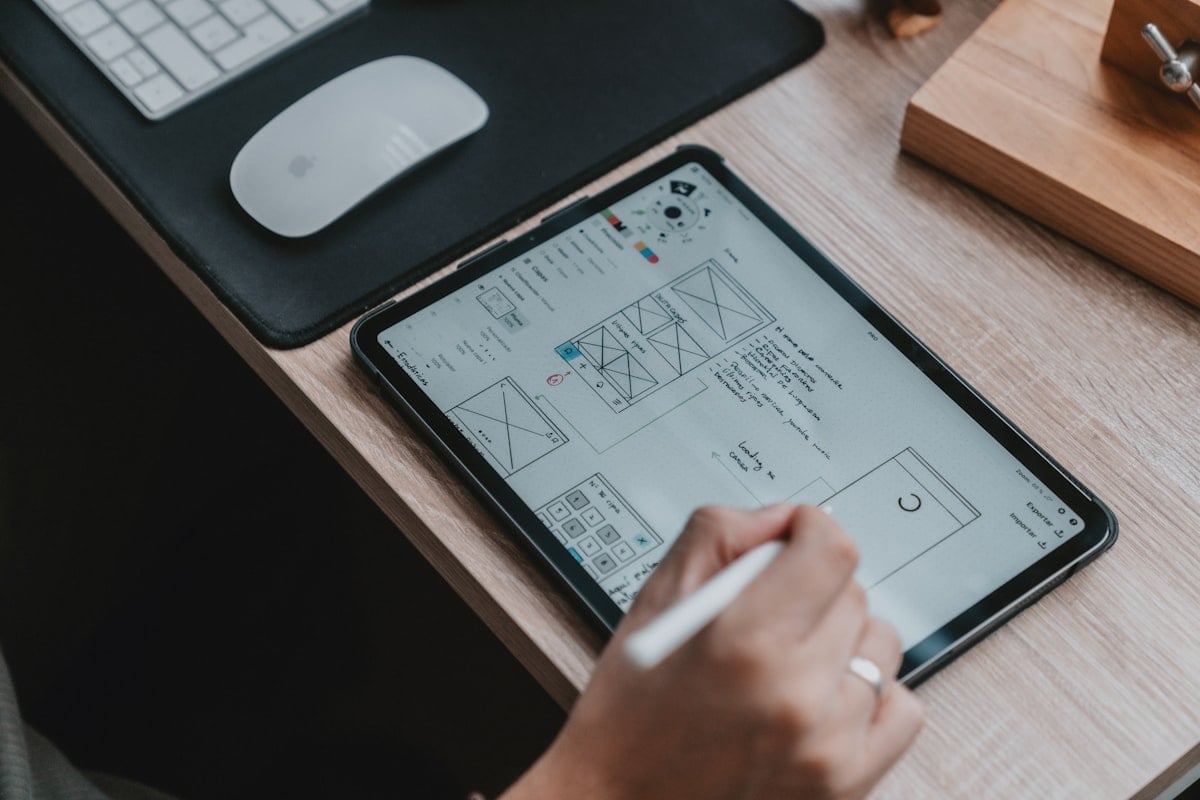
We produce detailed mockups with real typography, spacing, brand colors, and UI components—buttons, forms, cards, and navigation—for desktop and mobile. Accessibility and conversion clarity stay in view as we refine.
- 4) Review, Prototype & Iterate
Stakeholders review against clear criteria. When useful, we connect screens into a clickable prototype so journeys like onboarding or checkout can be walked through before build. Feedback turns into focused revisions, not endless redesign loops.
- 5) Developer Handoff
We package specs—spacing, fonts, colors—plus reusable components and export-ready assets so engineering can implement efficiently. You leave with a shared blueprint that design and development both trust.

Frequently asked questions
What are website and app mockups?
Mockups are high-fidelity visual designs of pages or screens that show how a website or app will look and feel before development. Fortitude creates them as part of Graphic Design engagements so New Jersey and regional teams can approve layout, brand, and UX details early—reducing guesswork and costly revisions later.
How are mockups different from wireframes or prototypes?
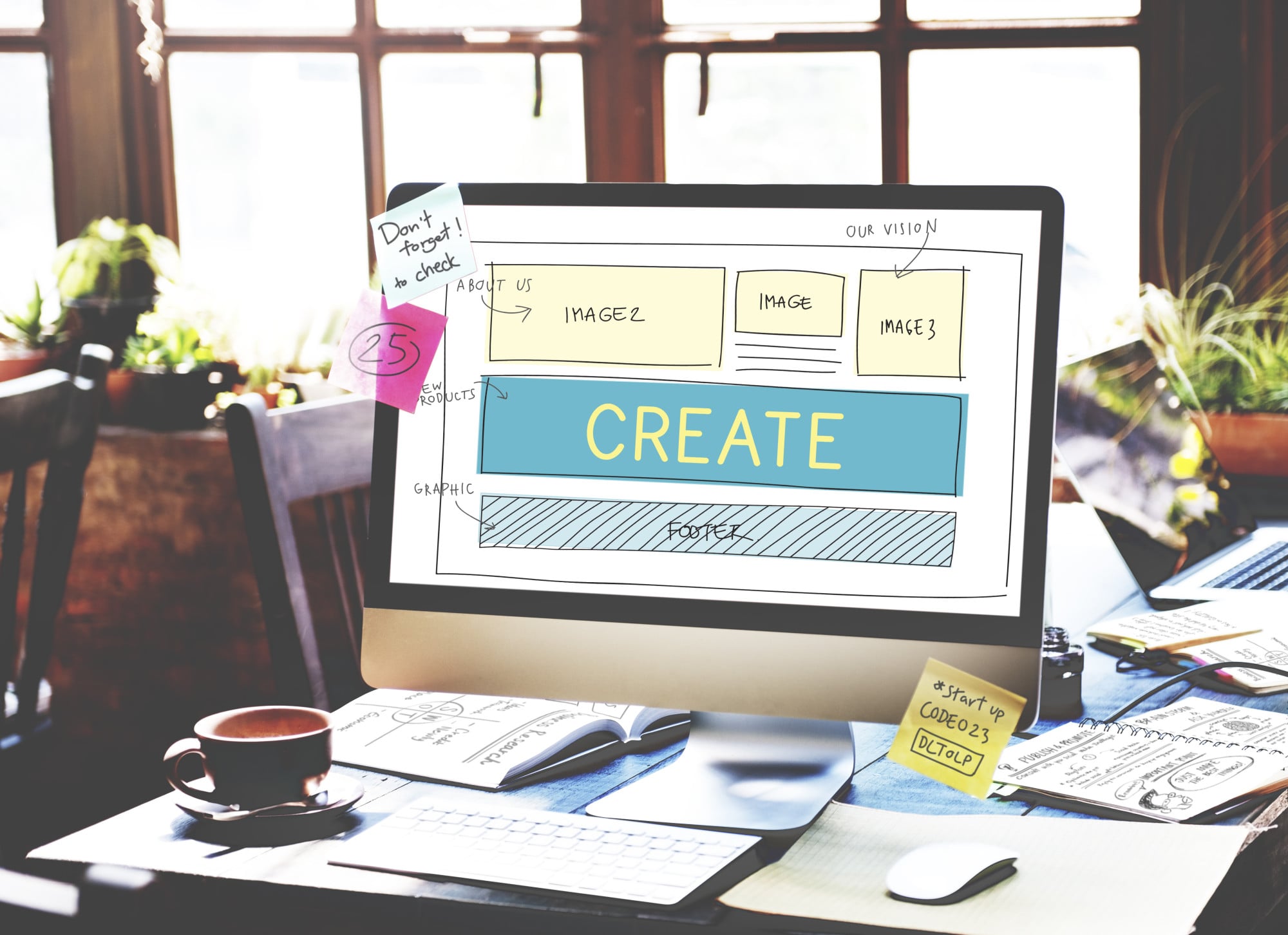
Wireframes sketch structure with little visual polish. Mockups add brand, typography, and UI detail so stakeholders see a near-final look. Prototypes connect those screens into clickable flows for journey testing. Fortitude often starts from structure, builds high-fidelity mockups, and adds clickable prototypes when flow validation will speed decisions.
Who should use Fortitude mockup services?
Mockups help businesses redesigning a site, launching a product UI, or aligning marketing and engineering before a build. Mid-market and growth teams in New Jersey and nearby markets use them when stakeholder buy-in, conversion clarity, or developer handoff quality would otherwise slow the project.
How long does a typical mockups project take?
A focused set of key pages or screens often lands in a few weeks depending on scope, content readiness, and review cycles. Larger multi-page sites or complex app flows are phased—direction first, then high-fidelity screens and handoff—so you see decisions early instead of waiting on a single big delivery.
What do we receive at the end of a mockups engagement?
You receive approved high-fidelity mockups (typically desktop and mobile), design specs for spacing, type, and color, and assets ready for development. When included in scope, Fortitude also delivers clickable prototypes and component guidance so engineering can build to the same visual standard you signed off on.